
Audiences have developed immunity to perfect.
Ten thousand AI ads have trained your audience to recognise the formula and scroll past it. The giveaway isn't always technical, it's the absence of the held frame, the light that was decided rather than found, the feeling that the film knows it's a film and wants you to notice how it was made. We're trying to produce the opposite of that.
Audiences have developed immunity to perfect.
Ten thousand AI ads have trained your audience to recognise the formula and scroll past it. The giveaway isn't always technical, it's the absence of the held frame, the light that was decided rather than found, the feeling that the film knows it's a film and wants you to notice how it was made. We're trying to produce the opposite of that.
Already in production


Why our commercials still take one to two weeks.
The assumption is that AI means you can make a commercial in a day. You can, but it just won't feel like one anyone wants to watch twice. With our current team, doing the work properly still takes one to two weeks, because the things that make a film feel considered and human can't be automated away: a writer thinking about what the story is actually trying to say, a director deciding what to hold and what to cut, the small judgements that come from someone who has spent years working out what an audience will sit still for. AI takes care of the logistical drag that used to swallow weeks of a production. The creative authorship stays human. Our job is to keep humans connecting with humans, not AI using humans to connect with humans.
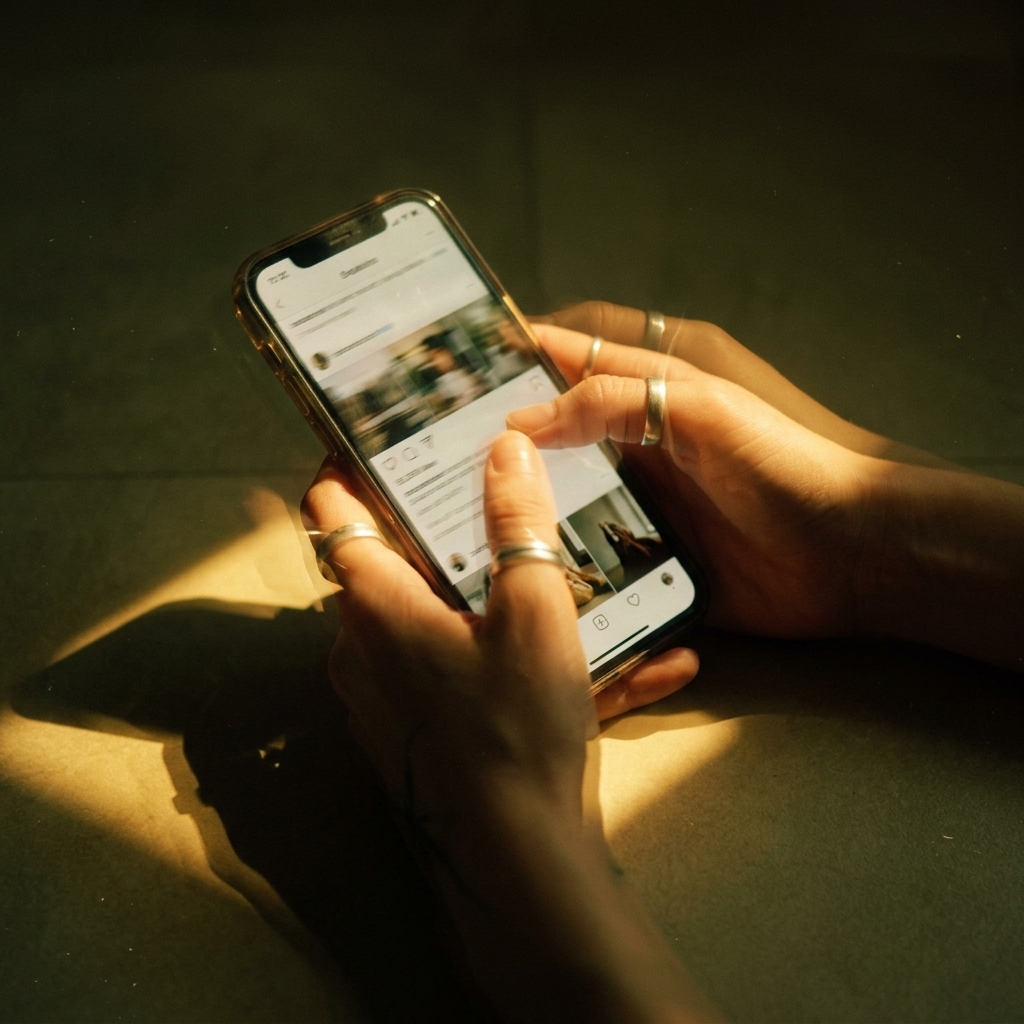
More than two billion video ads are ignored every year.
Right now, a lot of AI work gets watched because it's AI. People share it the way they share a magic trick: once, with a caption about how strange the future is, and then never again. We have no interest in making that. The commercials worth making are the ones a viewer rewatches without thinking about how they were produced, because something in them landed and stayed. That's the only kind of work that outlives a hype cycle, and it's the only kind we're trying to build a studio around. AI is how we get there faster and at a cost that makes sense. It isn't the reason the work is any good.
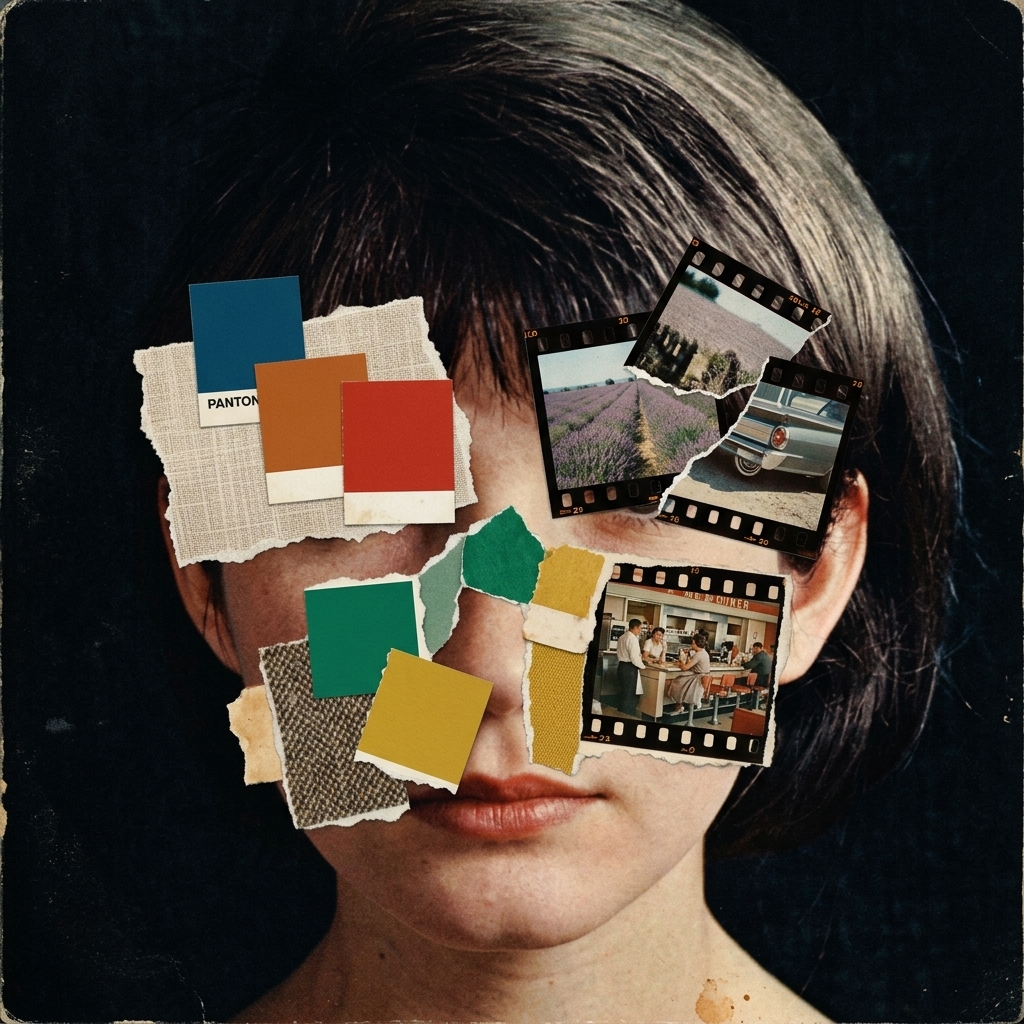
Every brand has a visual language it hasn't found yet.
Every brand carries a set of associations and feelings that have never been rendered visually: colour temperatures, textures, the quality of light in a particular memory. Generative tools let us explore that territory faster than conventional development allows. We start with the brief, move through imagery rather than words, and make creative decisions in a visual language the client can actually react to.
Behind the brief
Our process is deliberate, and we're transparent about where AI sits inside it. Every project moves through four stages. The brief determines everything that follows, including the visual direction we take, what we accept and what we reject.
We're confident that every frame we deliver justifies the work it took to get there.
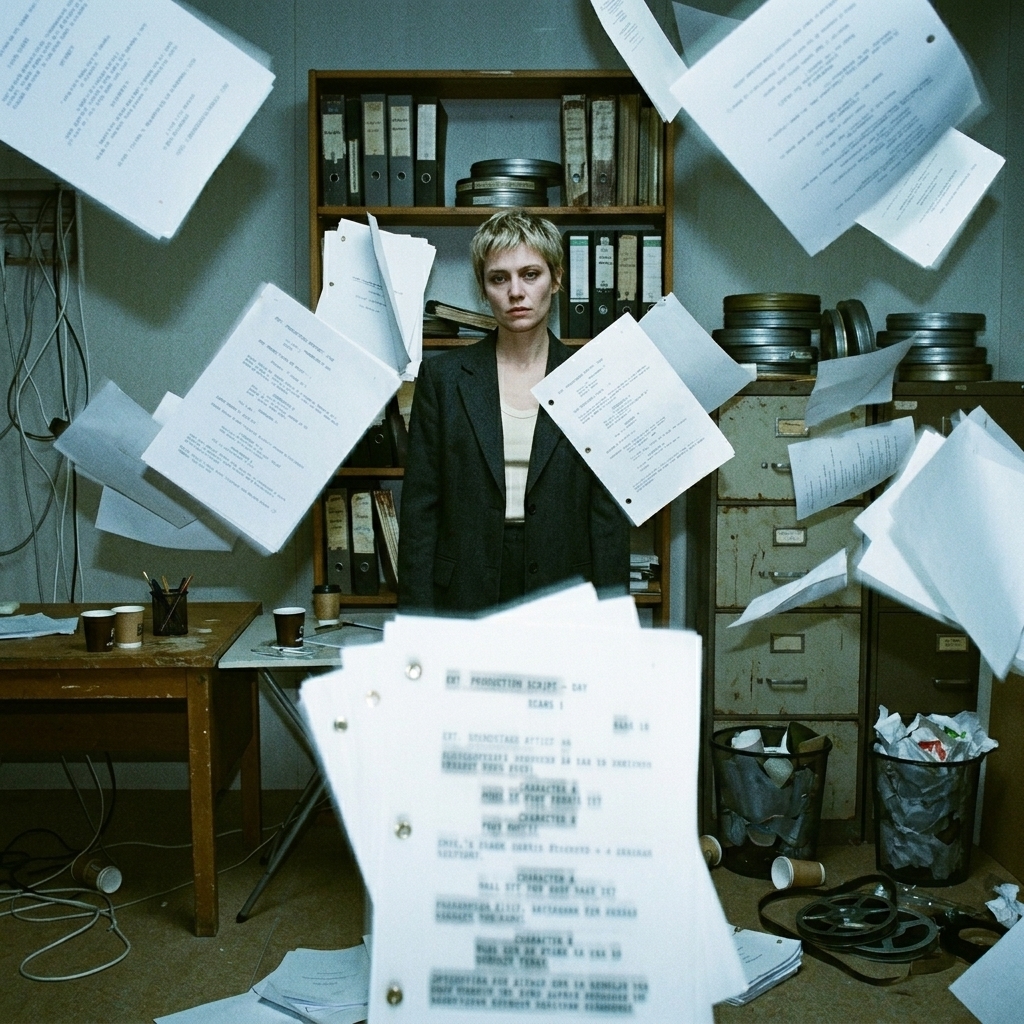
Every project starts with a discovery session. We want to understand the brand's ambitions, who the work is for, and what we're actually trying to make the viewer feel. The creative direction that comes out of that session is the anchor for everything that follows.
We write a script before we generate anything. The story has to work on paper first: what it says, how it moves, where it wants the viewer's attention at any given moment. Once the script holds, we develop imagery: style frames, sequences, the visual language of the finished piece. We create custom character models that represent your customer, so when they see the content, they see themselves—and a closer connection to your brand. You react to what you're actually looking at.
Running the AI pipeline is directorial work, with the same instinct about which take to keep, which angle serves the story, when something is technically functional but aesthetically wrong. We generate a lot and use very little. The choosing is where most of the work happens.
The finished film goes through colour grading, sound design, and any format variants the campaign needs. Every deliverable gets reviewed against the brief: technically, yes, but also against the emotional register we agreed on at the start of the project.
Selected work
View all →
Growing and evolving
Gateweave is a small studio and we intend to stay that way. Small means the people who pitch the work are the people who make it, there's no handoff to a junior team once the contract is signed. We built this studio around the conviction that the tools had finally arrived to let a small team do what large production companies had been charging a lot of money to do badly.
We built this because we believe AI extends what a creative team is capable of, removing the logistical ceiling without touching the instinct that makes the work worth watching.
Every brand we work with is different, and we approach each one as if it's the only one. The process is rigorous. The aesthetic judgements are ours to defend. And the finished work belongs to you.
If you're curious about what this looks like in practice, the best place to start is the work. Then, when you're ready, let's talk.
About the studio ↗